Saturday, November 7 - 4:00pm
Sunday, November 8 - 3:00pm
Synopsis | Scenes | Creative Team | Cast
A soul reaches for light.
Teatro Grattacielo’s America 250 double bill brings together two powerful explorations of freedom — one civic, one personal — created for the national commemoration marking 250 years since the founding of the United States. Jefferson Lives!, a world premiere opera co-commissioned with Polyhymnia, examines the birth of the American Revolution not as distant history but as lived human experience. Through the ghostly presence of John Adams and a modern Narrator drawn unwillingly into the past, the opera traces how political ideas move from thought into action, revealing the moral pressure, doubt, and consequence behind America’s revolutionary awakening.
Paired with Puccini’s Suor Angelica, which turns inward to explore spiritual confinement and the cost of enforced silence, the evening asks a shared question: what does it mean to seek freedom within systems far larger than ourselves? An empire tightening its grip; a convent demanding obedience — each becomes the space where inner conviction is tested. Together, these works chart freedom as both a public act and a private reckoning, unfolding as a journey through the forces that shape history — and the lives caught within it.
JEFFERSON LIVES!
Music by
Joshua Daniel Nichols
Libretto by
Stefanos Koroneos
Based on the original concept and source text by James Harrigan
SUOR ANGELICA
Music by
Giacomo Puccini
Libretto by
Giovacchino Forzano
PERFORMANCE INFORMATION
LOCATION
The Sam at The Flea Theater
20 Thomas St, New York, NY 10007
LANGUAGE & SUPERTITLES
Jefferson Lives! — English, with supertitles
Suor Angelica — Italian, with English supertitles
RUNNING TIME
Jefferson Lives! — approximately 50 minutes
Suor Angelica — approximately 65 minutes
One 20-minute intermission
Total running time: approximately 2 hours and 15 minutes
ACCESSIBILITY
The Flea and all Teatro Grattacielo productions are wheelchair accessible and welcome patrons with disabilities. Please contact us in advance regarding any specific accommodation needs.
Jefferson Lives! is co-commissioned by Teatro Grattacielo and POLYHYMNIA.
Jefferson Lives! is supported in part by the National Endowment for the Arts as part of its Freedom 250 programming in recognition of America’s 250th anniversary.
JEFFERSON LIVES! Synopsis
Jefferson Lives! opens on a divided stage: a restless modern Narrator waking from a troubled dream, and the ghost of John Adams, already present, already watching. What unfolds is not a historical pageant but an intimate reckoning — two voices across two centuries tracing how the American Revolution moved from a single courtroom argument to the irreversible bloodshed of Lexington and Concord. Through aria, fragmented monologue, and moments where projected text replaces the human voice entirely, the opera asks what it truly costs to cross the line from subject to citizen.
Structured in eleven parts, Jefferson Lives! follows the Narrator’s psychological journey from passive observer to unwilling participant — drawn deeper into the past with each act of colonial resistance and each tightening of imperial grip. The opera refuses triumphalism. It ends not with celebration but with a dark, restrained lullaby and the quiet, solemn weight of a door closing. The revolution has begun. There was never any turning back.
Why doesn’t Thomas Jefferson appear in Jefferson Lives!?
Read more
| Thomas Jefferson does not physically appear in Jefferson Lives! The historical character we encounter is the ghost of John Adams. The title comes from the day both men died: July 4, 1826, exactly 50 years after the adoption of the Declaration of Independence. There is a remarkable historical connection here. Thomas Jefferson died earlier that same day, about five hours before Adams. Unaware of Jefferson’s death, Adams is traditionally believed to have said “Thomas Jefferson survives” shortly before his own passing. Those words were factually incorrect, but they came to represent something much greater than the events of that day. They became part of America’s mythology, like the legends of King Arthur in England or the Firebird in Russia. Jefferson lives not as a physical presence, but through the ideas, ideals, and vision that helped shape the nation.
|
Jefferson’s absence is an important part of the opera. This is not a biographical work about Jefferson. It is a reflection on the legacy of the American experiment, the ideals on which the country was founded, and their continuing relevance 250 years later. The encounter between Adams and the modern Narrator brings that legacy into the present. In a sense, Jefferson’s vision is present through this meeting between America’s past and its present. That is why the title Jefferson Lives! is so meaningful. It is not about Jefferson surviving as a historical figure. It is about the survival, evolution, and continuing examination of the ideals associated with his name.
|
JEFFERSON LIVES!
Eleven Scenes on the Road to Independence
From early colonial resistance to the first battles of the American Revolution, Jefferson Lives! follows the events that transformed thirteen North American colonies on the road to independence.
| I. The Minds and Hearts of the People And it all began, John Adams thought, with James Otis’s participation in the Writs of Assistance case in 1761. Although this was an inauspicious start for the colonists, there was more to come, and we will see it all through these eleven scenes. II. The Seven Years’ War Ends The culmination of the Seven Years’ War in 1763 is the next step toward independence. This, the first global war, solidified English control of North America and set the colonists on an inexorable path towards independence. The British, unremarkably, expected the colonies to be self-supporting. This would require novel forms of taxation which would ultimately strike to the heart of the very nature of the British empire and constitution. III. Sugar and Stamps The Sugar, Quartering, and Stamp Acts of 1764 and 1765 were passed to the great consternation of the colonists. They claimed, reasonably, that the British parliament had no authority over them, and that any taxes levied would have to be internal taxes, duly assessed by their own legislatures. IV. The English Give In ... But Don’t This constitutional standoff hardened hearts on both sides of the Atlantic and came to an end with the passage of the Declaratory Act of 1766, by which the English acquiesced to colonial pressure, but declared their right to further legislate for the colonies through Parliament. Blackstone, the great legal theorist, weighed in contending that the colonies were conquered, rather than settled. From this point forward the colonists and the English proceeded with two entirely different understandings of the British constitution. Their differences were, and would remain, irreconcilable. V. Parliament Strikes Again The Townshend Acts followed in 1767–68. These included a new revenue act and the suspension of the New York legislature, making good on the Declaratory Act. Tensions were heightening and in 1768, the British occupied Boston. VI. The Boston Massacre March 5, 1770, saw the first deadly violence of the Revolutionary period. Five colonists were killed and six wounded as British soldiers fired into a crowd. John Adams defended the British soldiers in court despite his revolutionary leanings. None were convicted of murder, but two were convicted of manslaughter. Later that month, the Townshend Acts were repealed, save for a tax on tea, to assert Parliament’s right to legislate for the colonies.
|
VII. The Burning of the Gaspee In June of 1772 the British Royal Navy schooner HMS Gaspee ran aground in Narragansett Bay. A group of Rhode Islanders led by John Brown and Abraham Whipple attacked and burned the ship. No one was ever punished for this act of violence, one of the first against British authority. VIII. Tea The British returned to tea in May of 1773 with the Tea Act, aimed at bailing out the British East India Company. The colonists saw this as yet another instance of taxation without representation. On December 16, 1773, colonists disguised as Native Americans dumped 342 containers of tea into Boston Harbor, which came to be known as the Boston Tea Party. IX. The Intolerable Acts The Boston Tea Party was the flashpoint that prompted the British to respond with what the colonists called the Intolerable Acts in 1774, which reduced or denied rights to the North American colonists. The greatest legal and philosophical minds in the colonies took up the pen, among them James Wilson and Thomas Jefferson. X. The First Continental Congress Delegates from 12 of the 13 colonies convened from September 5 to October 26, 1774, to address grievances against the British. The Declaration of Rights and Grievances was issued, as was a petition to King George III. The Galloway Plan, which proposed a legislature within the British Empire, was rejected, and Galloway himself eventually became a loyalist. XI. The Shot Heard Round the World On April 19, 1775, “The Shot Heard Round the World” was fired, and the American Revolution commenced with skirmishes in Lexington and Concord in Massachusetts. That sentiment in the minds and hearts of the people was finally unleashed, and the world would never be the same.
|
SUOR ANGELICA Synopsis
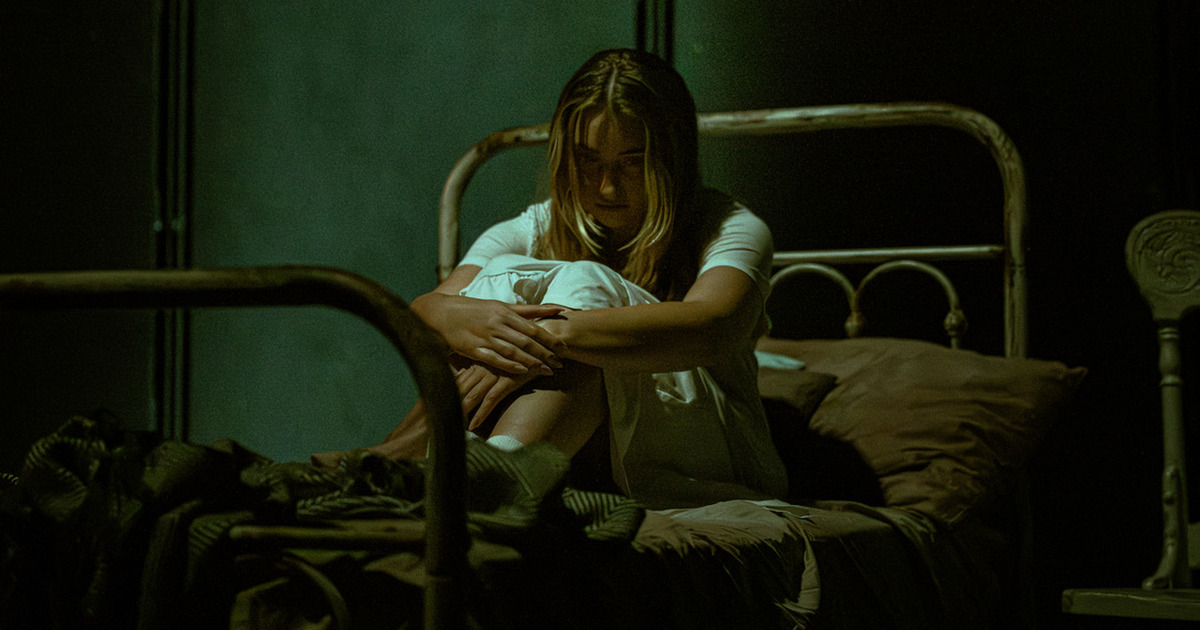
Set in a seventeenth-century convent, Giacomo Puccini’s Suor Angelica follows a young nun who has spent seven years in seclusion after being forced to abandon her illegitimate child. When her aristocratic aunt arrives to demand that Angelica renounce her inheritance, she also reveals that the child died two years earlier. Overcome by grief, Angelica takes her own life, only to realize in her final moments that suicide may have separated her from the son she longs to see again. In the opera’s transcendent conclusion, a vision of the Virgin Mary and the child offers Angelica forgiveness, reconciliation, and peace.
This production reimagines that final hour of grief as something closer to memory itself — a life relived in its last moments, suspended between what was lived and what was lost.

Joshua Daniel Nichols
COMPOSER

Stefanos Koroneos
LIBRETTIST & DIRECTOR

James Harrigan
CONCEPT & SOURCE MATERIAL

Saverio Alfieri
CONDUCTOR/PIANIST

David Santiago
ASSISTANT DIRECTOR
Fred Santambrogio
ASSISTANT DIRECTOR & MOVEMENT COORDINATOR

Camilla Tassi
PROJECTION DESIGNER

Amara McNeil
LIGHTING DESIGNER

Angela Huff
COSTUME DESIGNER

Francisco Miranda
ORCHESTRAL REDUCTIONS
Composer’s Statement
Read more
My music is rooted in the belief that expressive immediacy and long-term architectural design are inseparable. Working within a fundamentally tonal language enriched by chromatic harmony, modal color, and contemporary sonorities, I strive to create music that communicates directly while revealing greater depth through repeated listening. Whether composing concert works, sacred music, or opera, I seek to weave small musical ideas into a larger expressive tapestry, allowing themes, motives, and harmonic relationships to evolve across the span of an entire work. This approach is central to my opera Jefferson Lives!, where melodies, quotations, and stylistic gestures drawn from Revolutionary-era America are transformed and interwoven throughout the score, reflecting the ideals, conflicts, and aspirations of the nation’s founding while contributing to a unified dramatic and musical structure. My aim is to write music that honors the past without imitating it, embracing tradition as a living foundation for works that are intellectually engaging, emotionally compelling, and unmistakably contemporary.
Joshua Daniel Nichols
Director’s Statement
Read more
Jefferson Lives! approaches the American Revolution not as a fixed narrative but as a living psychological and theatrical experience. John Adams appears as a ghost shaped by memory and moral burden, while a modern Narrator—an accidental protagonist—finds himself overtaken by the history he thought he only knew. Moving fluidly between dialogue, monologue, music, and silence, the work transforms documented events into a dramatic journey that traces how ideas of freedom and resistance migrate from thought into action. It invites audiences to encounter the Revolution not as a monument, but as an unresolved human reckoning.
Suor Angelica undergoes a parallel reckoning. Puccini himself ends the opera in hallucination — as Angelica dies, reality dissolves into a vision of the Virgin Mary and her son, a moment where the borders of the real are already breaking down. This production takes that blurring, which Puccini reserved for the final minutes, and extends it across the entire opera. Rather than unfolding as a linear convent drama, the piece becomes the interior world of a dying woman, her whole life relived in the space of an hour. Angelica remains fixed in a single, isolated bed — the only solid, unmoving reality on stage — while every other figure she has ever known returns to her as a ghost: sisters, memories, the child she was made to give up, all summoned from the same place that holds John Adams in Jefferson Lives! — the place where the past refuses to stay past. Staged in black and white, populated by figures who are present and absent at once, this production asks the same question of Angelica that the evening asks of Jefferson and Adams: what happens when history stops being something we observe, and becomes something we are forced to live inside again.
Stefanos Koroneos

Peterson Townsend
NARRATOR

Brian Jeffers
JOHN ADAMS
|
Saturday, November 7, 2026Suor Angelica — Shannon McAleb La zia principessa — Melina Jaharis La badessa — Sarah Pajonas La suora zelatrice — Silvana Chu La maestra delle novizie — Monica Camafreita Suor Genovieffa — Mia Farinelli Suor Osmina — Charly Rentz Suor Dolcina — Meredith Hart La suora infermiera — Daniela Reyes Le cercatrici — Catherine McClure, Charly Rentz La novizia — Meredith Hart La conversa — Eugenia Forteza, Catherine McClure
|
Sunday, November 8, 2026Suor Angelica — Kristina Shafranski La zia principessa — Hilary Baboukis La badessa — Sarah Pajonas La suora zelatrice — Sara Laszlo La maestra delle novizie — Monica Camafreita Suor Genovieffa — Xinran Du Suor Osmina — Charly Rentz Suor Dolcina — Meredith Hart La suora infermiera — Daniela Reyes Le cercatrici — Catherine McClure, Charly Rentz La novizia — Meredith Hart La conversa — Eugenia Forteza, Catherine McClure
|
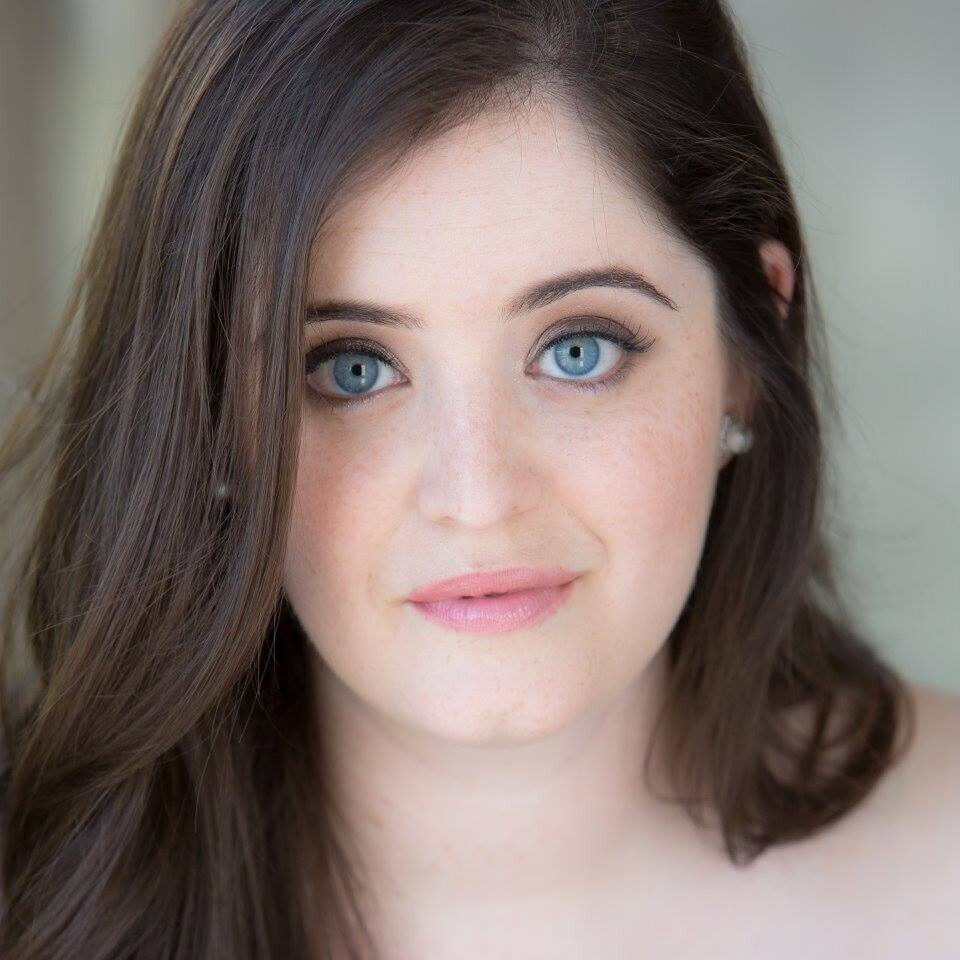
Shannon McAleb
Soprano
SUOR ANGELICA
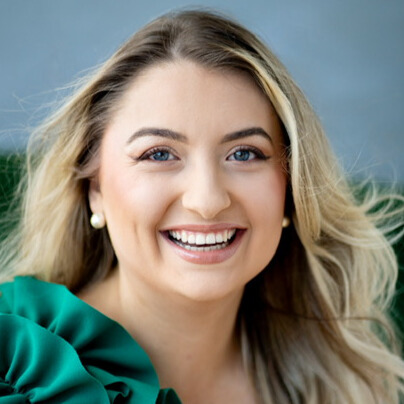
Kristina Shafranski
Soprano
SUOR ANGELICA

Melina Jaharis
Mezzo-Soprano
ZIA PRINCIPESSA

Hilary Baboukis
Mezzo-Soprano
ZIA PRINCIPESSA

Sarah Pajonas
Mezzo-Soprano
LA BADESSA
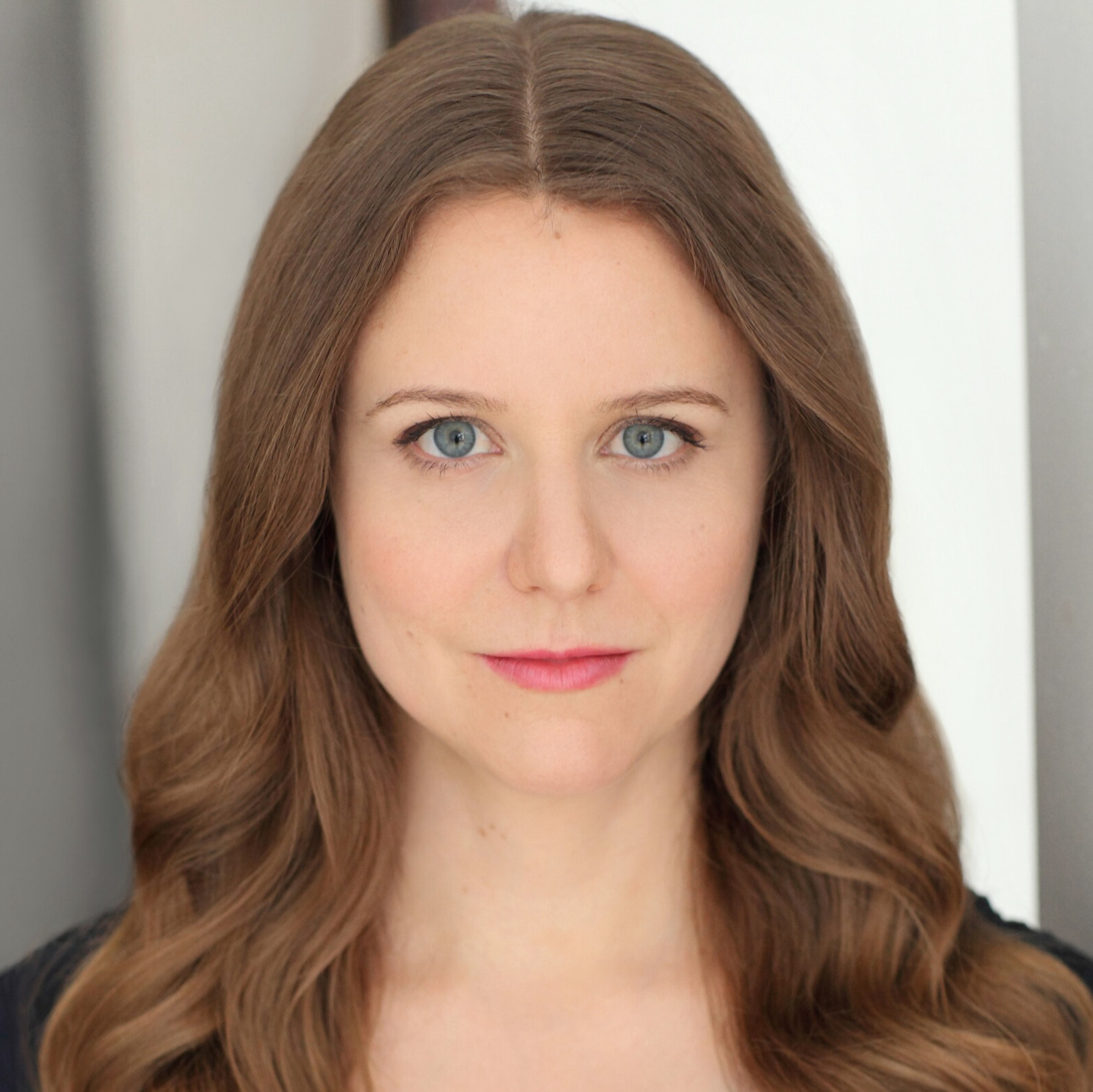
Sara Laszlo
Soprano
LA SUORA ZELATRICE

Silvana Chu
Mezzo-Soprano
LA SUORA ZELATRICE

Monica Camafreita
Soprano
LA MAESTRA DELLE NOVIZIE
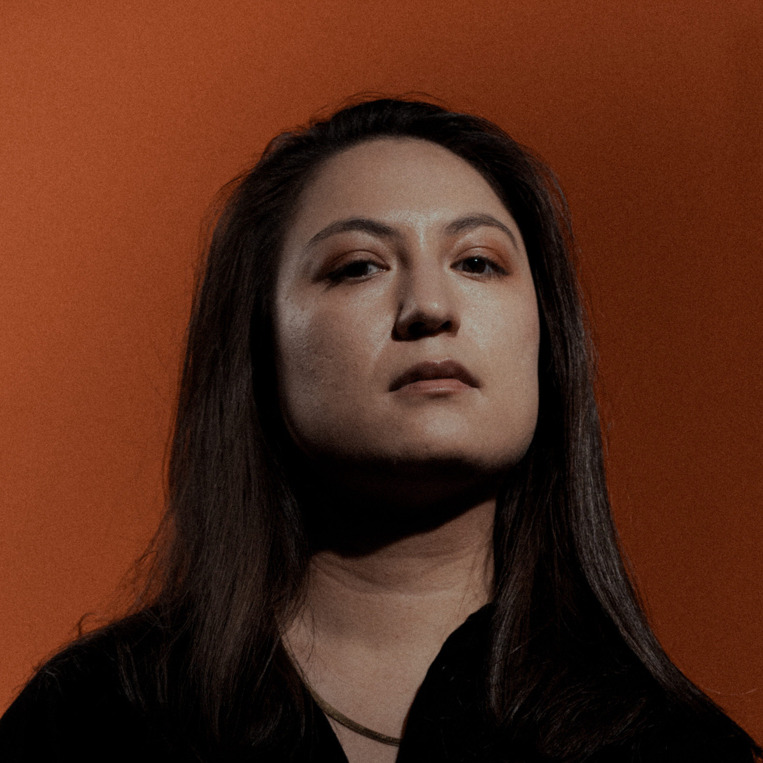
Mia Farinelli
Soprano
SUOR GENOVIEFFA
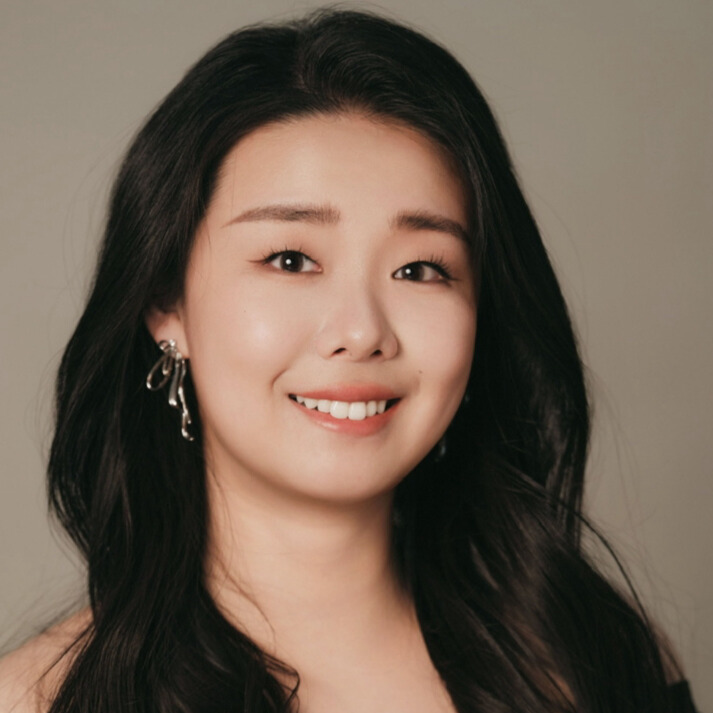
Xinran Du
Soprano
SUOR GENOVIEFFA
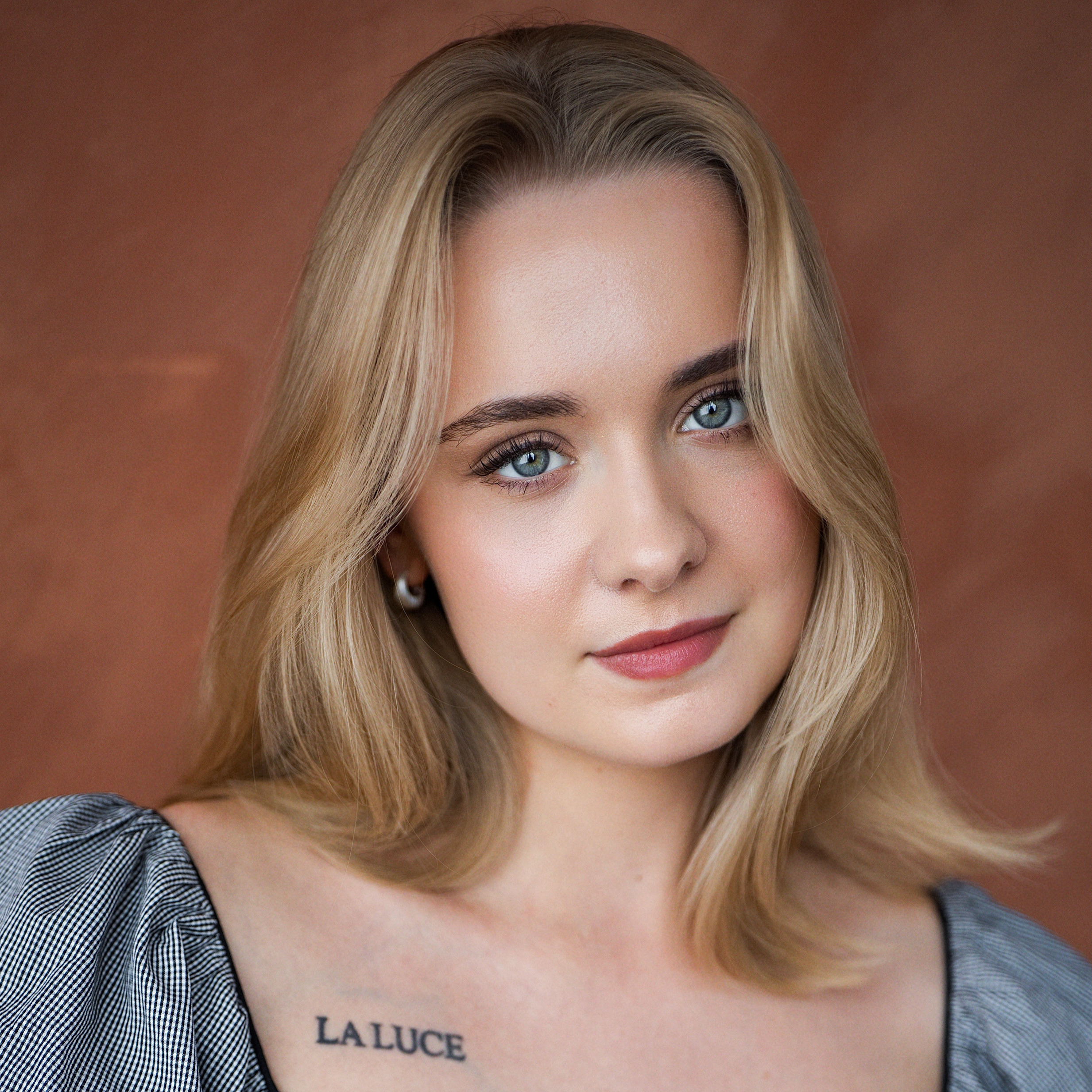
Charly Rentz
Soprano
SUOR OSMINA, LA CERCATRICE
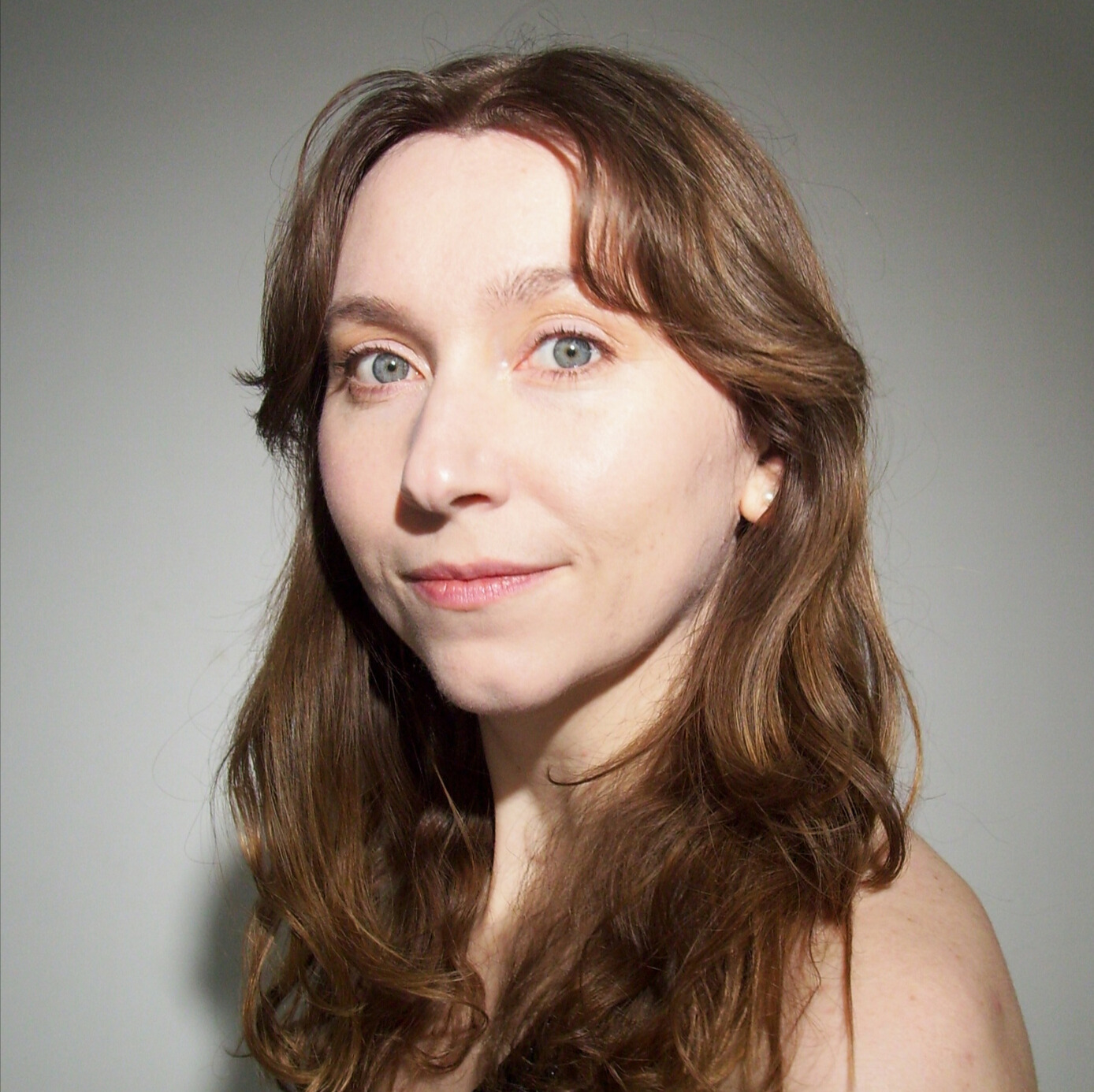
Meredith Hart
Soprano
SUOR DOLCINA
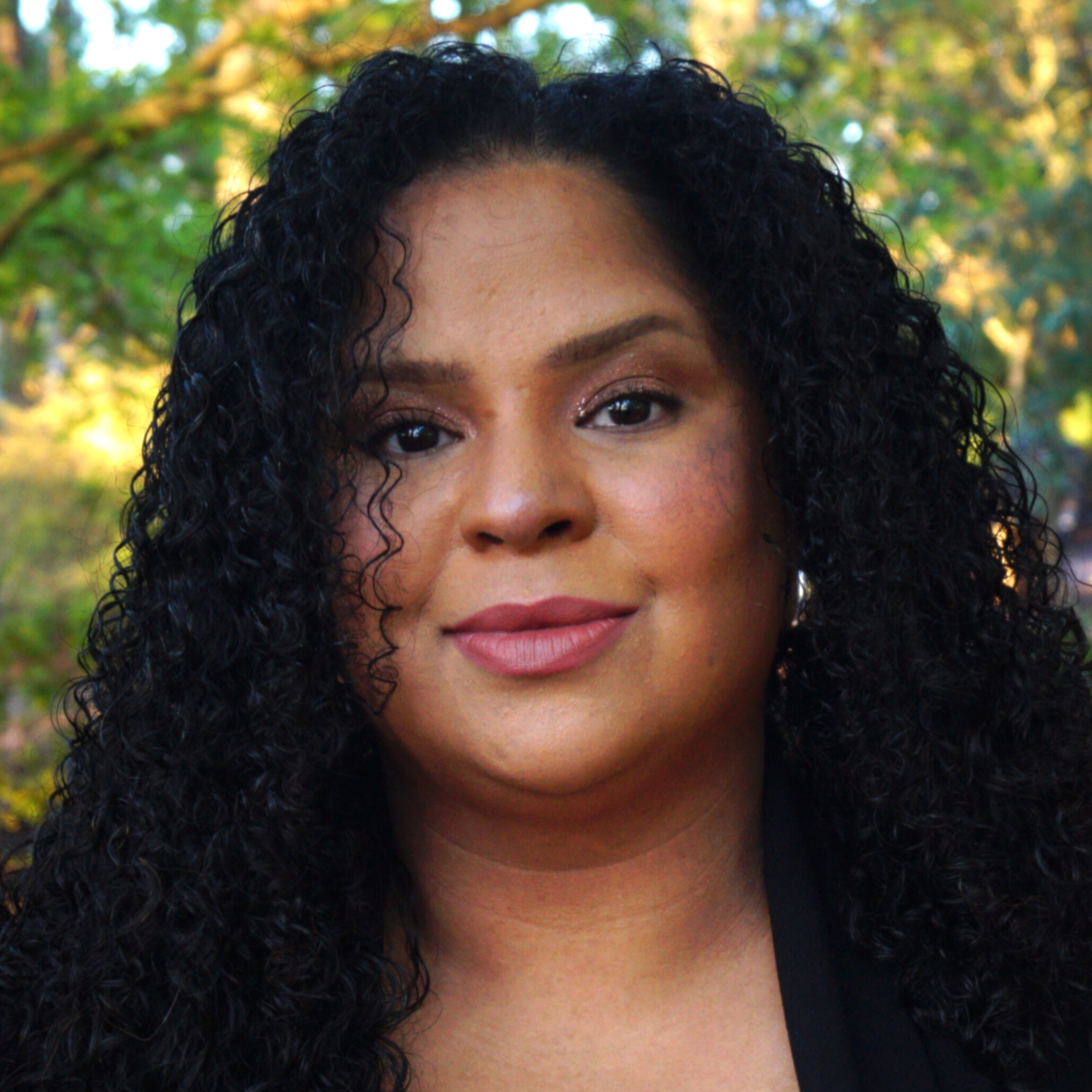
Daniela Reyes
Soprano
LA SUORA INFERMIERA

Catherine McClure
Mezzo-Soprano
LA CERCATRICE, LA CONVERSA

Eugenia Forteza
Mezzo-Soprano
LA CONVERSA
Production Team

Mai Camara
PRODUCTION MANAGER

Ansley Jackson
STAGE MANAGER
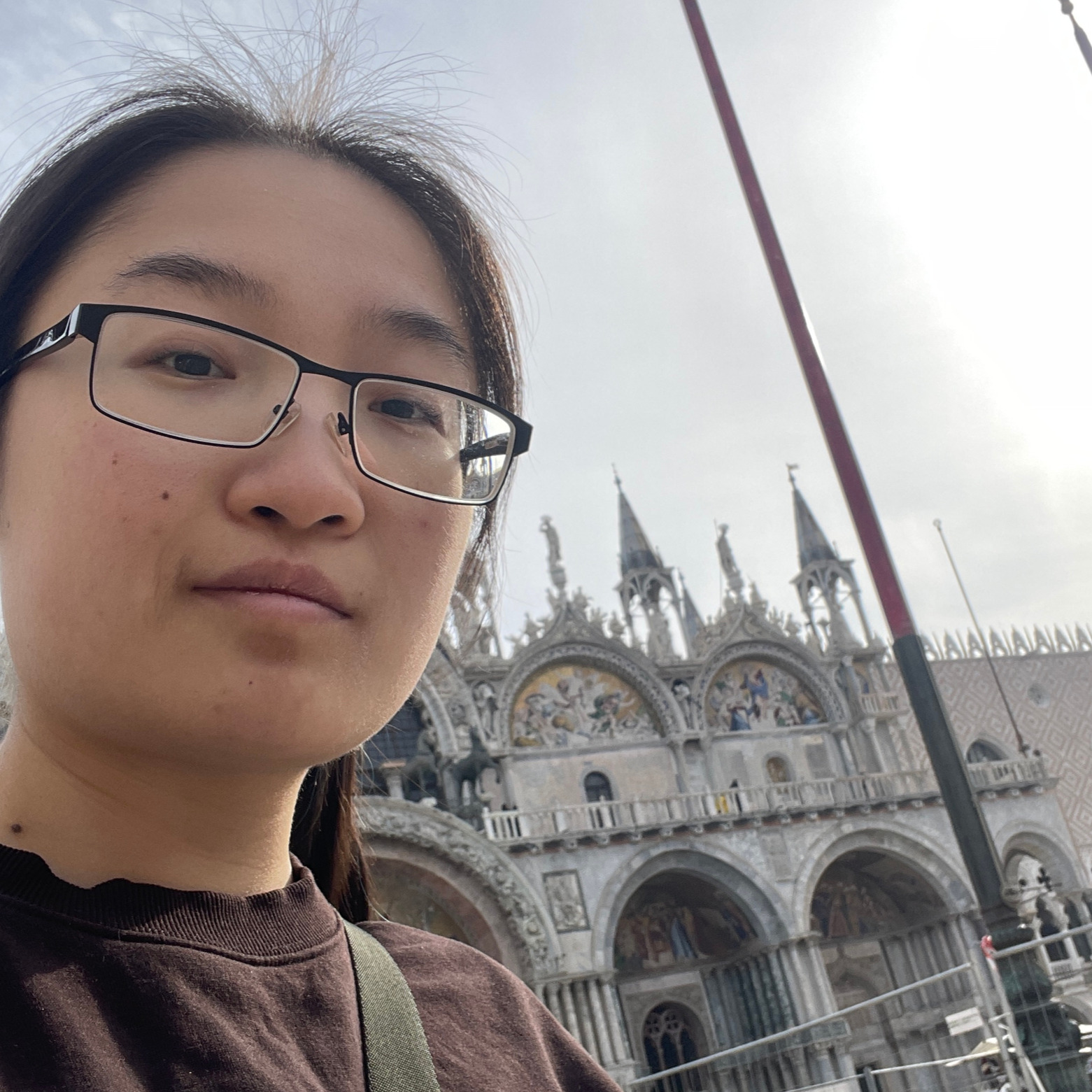
Dena Chen
ASSISTANT STAGE MANAGER
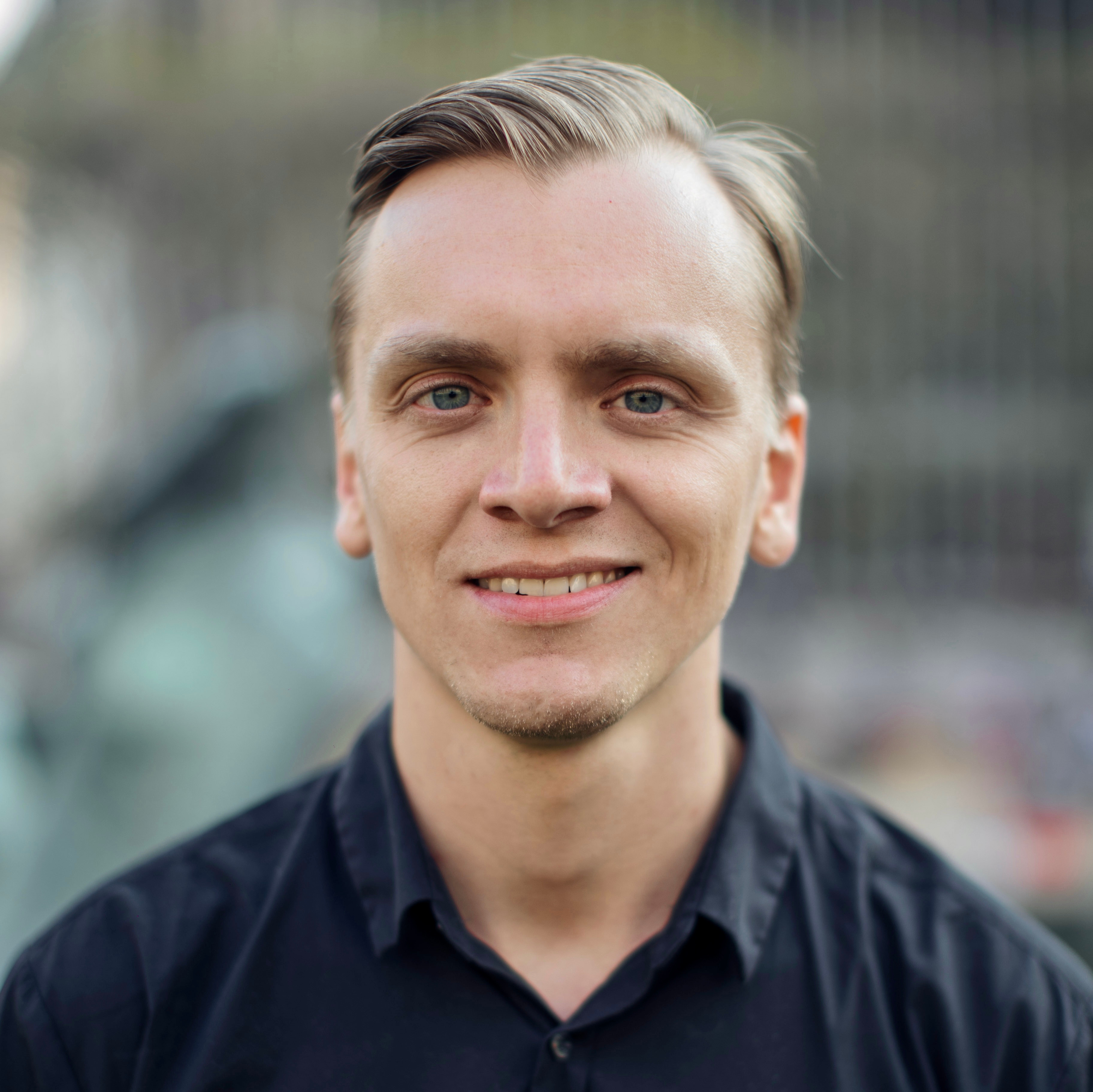
Sergey Iorov
REHEARSAL PIANIST & SUPERTITLES
About Polyhymnia
Read more
Polyhymnia is an interdisciplinary collective of scholars, composers, and artists dedicated to creating an unsafe space for the beautiful—a space where ideas challenge assumptions and where artistic and intellectual exploration can unfold freely.
We publish monographs, edited volumes, essays, peer-reviewed research, and original artistic work that examines the relationship between the arts, the humanities, and the American traditions of freedom and a dynamic cultural marketplace.
Through lectures, conferences, educational programs, podcasts, and seminars, Polyhymnia brings rigorous conversation about the fine arts, economics, politics, philosophy, and culture into the public square.
Accessibility & Accommodation Requests
Venue Accessibility: Our performance venues are fully wheelchair accessible with step-free entry and accessible restrooms. Assistive Listening Devices (ALDs) are available at the theater for patrons who require sound amplification.
Programmatic Accommodations:
Captions: All performances feature English supertitles.
Materials: Large-print programs are available at the box office upon request.
How to Request Additional Accommodations: If you require specific accommodations not listed above (such as sign language interpretation, sighted guides, or specific seating arrangements), please contact us in advance so we can ensure the best possible experience for you.
Contact for Requests: Please direct all accessibility inquiries to our Section 504 Coordinator, Stefanos Koroneos
Email: stefanoskoroneos@grattacielo.org
(We kindly ask that requests for specific services be made at least 2 weeks prior to the performance date.)